SelfStorageInvestments
Home News Invest Community Market overviewGermany · Austria · SwitzerlandFigures & chartsFEDESSA reports Business modelsStorage types comparedIndoor self storageContainer self storageGarage parks About Contact Deutsch Get involved
Your gateway to the German self storage industry

Understand self storage. Assess it. Deliver it.

Market data, business models, storage types and the people behind them. For anyone looking to invest in storage space, develop a site or operate a facility.

  • Market, drivers & trends in Germany
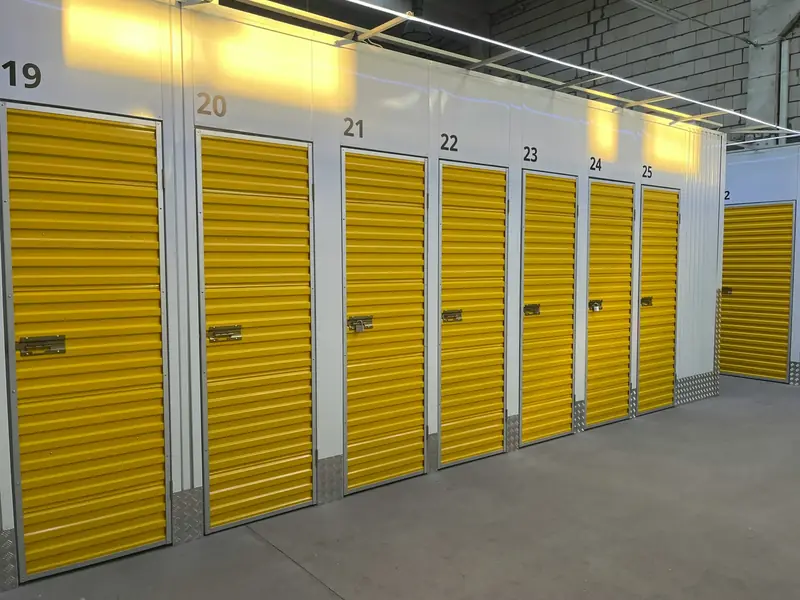
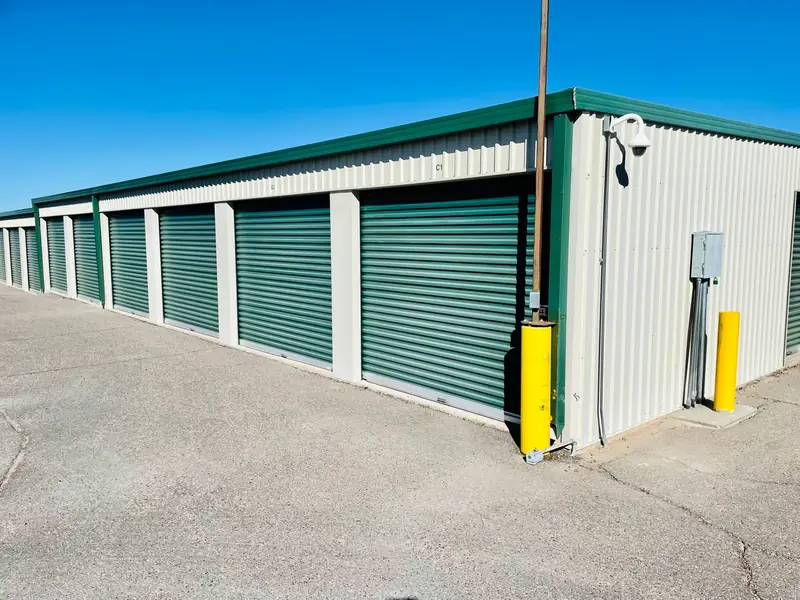
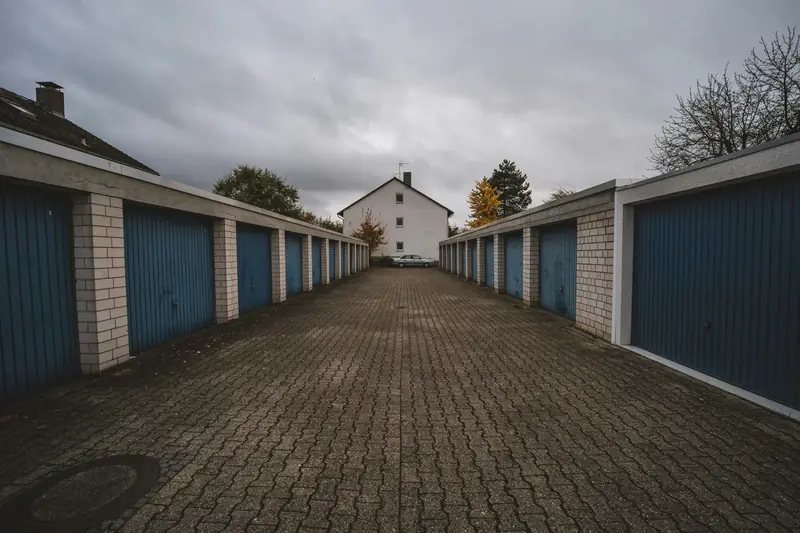
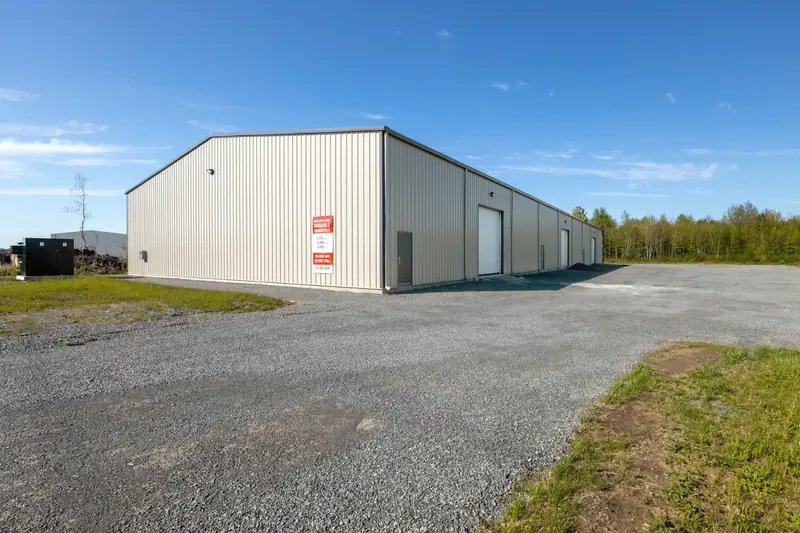
  • Every storage type, from indoor to container park
  • Calculator, industry directory & community
×3more storage space per capita in the United Kingdom than in GermanySource: FEDESSA 2025
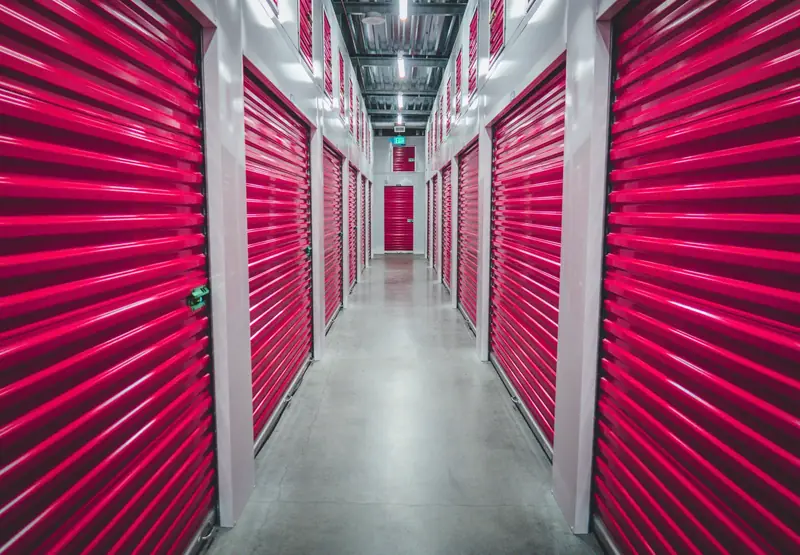
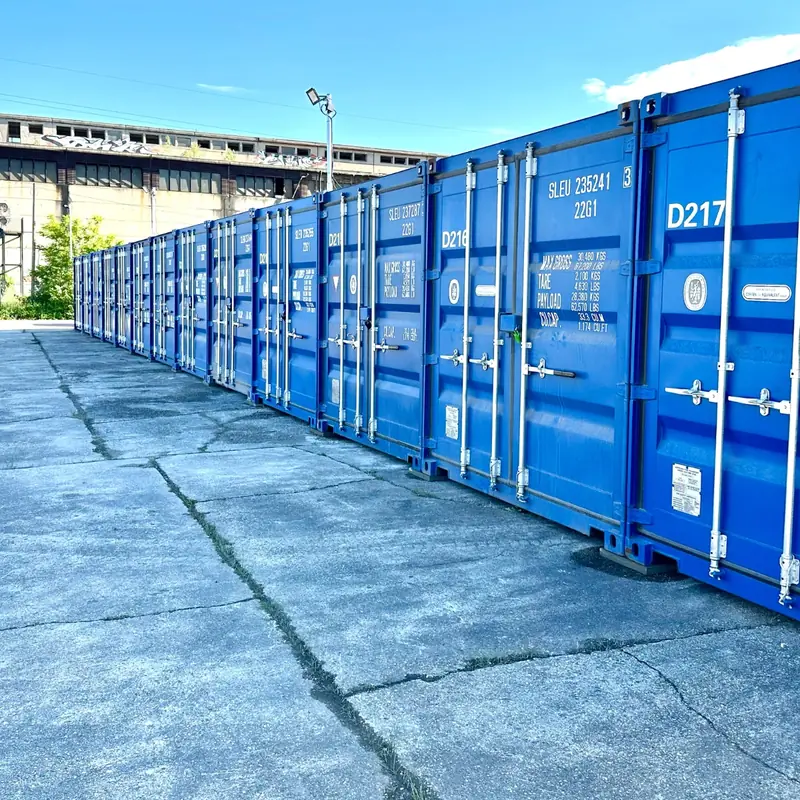
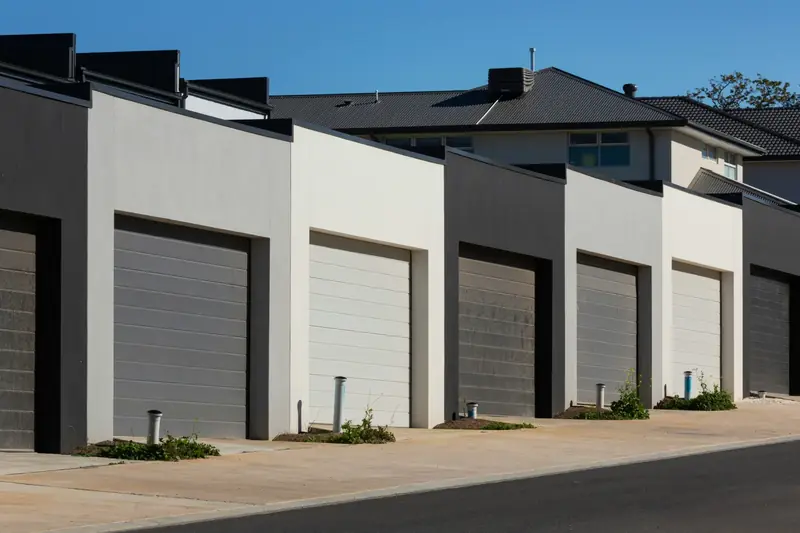
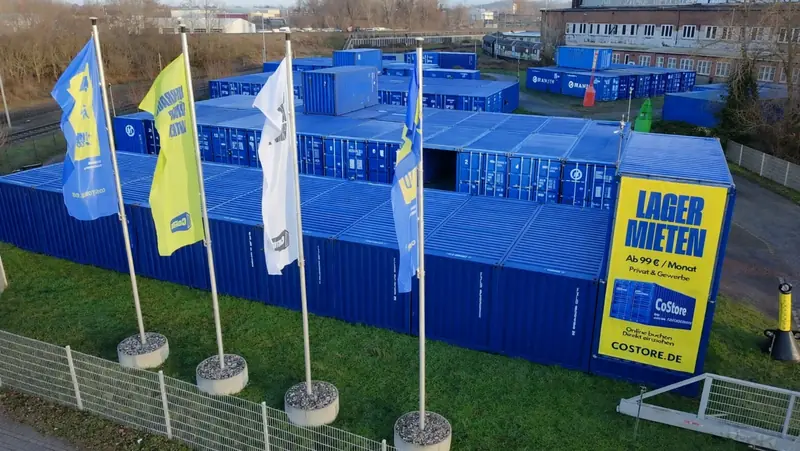
Photos: Joshua Coleman, Troy Mortier / Unsplash · CoStore
Getting started

Where would you like to start?

Choose your starting point and we will show you the right next steps.

From market insight to investment decision.

Which returns are realistic, which models exist and what do experienced investors look for? Three steps to a well-founded assessment.

Market in numbers

A young market with plenty of headroom.

Germany is one of the least developed self storage markets in Europe, yet it has strong demand drivers.

Go to the market overview
Space in Germany~2.4million m²of self storage space, ranking 3rd in Europe after the UK and France
Per capita~0.03m²of storage space per inhabitant. The United Kingdom has around three times as much.
Occupancy~75%average occupancy of German facilities
Rent<300€ / m² / yearaverage net rent per occupied m² in Germany, slightly below the European average

Rounded individual figures based on FEDESSA/CBRE European Self Storage Industry Report 2025, not affiliated with FEDESSA or CBRE. Per-capita figure is our own calculation (population: Eurostat).

Figures & charts
DACH region

Germany, Austria, Switzerland.

Three markets, each with its own profile, together accounting for around one sixth of Europe's self storage space.

Go to the DACH comparison
~2.4 million m²space · rank 3 in Europe ~0.04 m²per capita · many micro sites >€500per m² per year · highest in Europe
The basics

Self storage is real estate, service and digital business all in one.

Tenants rent a lockable storage space on flexible terms, from a 1 m² locker to a 30 m² container, and access it independently. For owners and investors, this creates an asset let in small units to a broad tenant base.

  • Many small tenancies instead of one large tenant, which spreads the default risk.
  • Private and business customers: moving, renovation, inheritance, trades, e-commerce, archives.
  • Operationally driven: income depends heavily on occupancy, pricing and marketing.
How the business model works
Storage types at a glance

Not all self storage is the same.

Five concepts with very different profiles. Site, location and capital determine which one fits.

Industry news

Latest from the industry.

Automatically collected from trade media and news sources, updated hourly. Last updated: –

Loading news …

Frequently asked questions

Quick answers.

The key questions for getting started. More detail in the knowledge articles.

Ask a question
What exactly is self storage?

Self storage means renting lockable storage units to private and business customers on flexible terms, usually cancellable monthly and with independent access. Units range from small lockers inside a building to storage containers on an open site.

What returns are realistic?

That depends heavily on storage type, location, land costs and operations. The key factors are occupancy, achievable rent and ramp-up time. Our calculator lets you test your own assumptions, but it is no substitute for a professional assessment.

Indoor or storage containers: which is better?

There is no "better". Indoor facilities make very efficient use of expensive urban land but require high investment and long planning times. Container parks are faster and modular but need more land. The decision guide gives you an initial steer.

Do I need planning permission?

As a rule, yes. Container facilities also count as structures under German building law. What matters is the local development plan, the permitted use (usually a commercial or industrial zone) and the building code of the relevant federal state. Consulting the planning authority early saves time.

Who is behind this platform?

The platform was initiated by CoStore, an operator of container self storage. Editorial content is kept separate from commercial offers, and sponsored content is labelled. Details under Transparency.

Market update

New sites, deals and data, once a month.

Concise, well researched, no spam. Unsubscribe at any time.

By subscribing, you accept our privacy policy.